
- English
- Español
- Português
- русский
- Français
- 日本語
- Deutsch
- tiếng Việt
- Italiano
- Nederlands
- ภาษาไทย
- Polski
- 한국어
- Svenska
- magyar
- Malay
- বাংলা ভাষার
- Dansk
- Suomi
- हिन्दी
- Pilipino
- Türkçe
- Gaeilge
- العربية
- Indonesia
- Norsk
- تمل
- český
- ελληνικά
- український
- Javanese
- فارسی
- தமிழ்
- తెలుగు
- नेपाली
- Burmese
- български
- ລາວ
- Latine
- Қазақша
- Euskal
- Azərbaycan
- Slovenský jazyk
- Македонски
- Lietuvos
- Eesti Keel
- Română
- Slovenski
- मराठी
- Srpski језик

What Is a Buffer Board and Why Is It Essential in Modern Industrial Processing Systems
Article Summary: This comprehensive guide explores the industrial importance of the Buffer Board, a critical component used in material handling, processing lines, and automated production systems. Designed and manufactured with precision by FORTRAN, the Buffer Board improves workflow stability, reduces downtime, and ensures smoother transitions between production stages. In this article, we break down its working principles, technical specifications, applications, benefits, installation methods, and frequently asked questions to help you understand why it has become indispensable in modern industry.
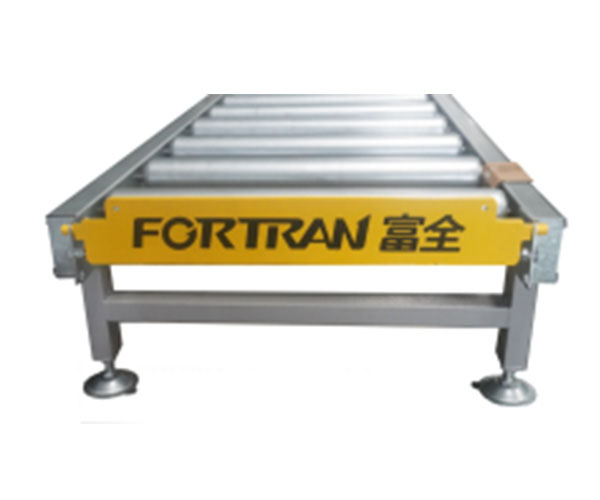
Table of Contents
- What Is a Buffer Board?
- How Does a Buffer Board Work in Industrial Systems?
- Key Features of FORTRAN Buffer Board
- Technical Specifications of Buffer Board
- Applications Across Industries
- Benefits of Using FORTRAN Buffer Board
- Installation and Maintenance Guidelines
- Common Issues and Troubleshooting
- Frequently Asked Questions
- Conclusion
What Is a Buffer Board?
A Buffer Board is an essential industrial component used to regulate, store, and manage material flow between different stages of a production line. It acts as a transitional platform that temporarily holds products or materials, ensuring that upstream and downstream processes remain synchronized. In modern automated systems, especially those designed by FORTRAN, the Buffer Board plays a crucial role in reducing bottlenecks and maintaining continuous production efficiency.
Unlike simple conveyors or static platforms, a Buffer Board is engineered with intelligent control mechanisms that allow dynamic accumulation and release of materials. This ensures that production lines do not stop due to minor delays or mismatches in processing speed.
How Does a Buffer Board Work in Industrial Systems?
The working principle of a Buffer Board is based on controlled accumulation and release. When upstream machines produce materials faster than downstream systems can handle, the Buffer Board temporarily stores these materials. Once the downstream process is ready, it gradually releases them back into the production flow.
FORTRAN integrates advanced automation technology into its Buffer Board systems, enabling real-time monitoring, adaptive control, and smooth synchronization with other machinery. This reduces human intervention and ensures consistent production flow.
- Incoming materials are detected by sensors.
- The system calculates storage capacity in real time.
- Materials are buffered temporarily without damage or misalignment.
- Once downstream systems are ready, controlled release begins.
Key Features of FORTRAN Buffer Board
The FORTRAN Buffer Board is engineered with precision to meet high industrial standards. Its design focuses on durability, automation compatibility, and operational efficiency.
- High-strength industrial-grade materials for long-term durability
- Modular structure for flexible system integration
- Smart sensor-based flow control system
- Low maintenance and energy-efficient operation
- Compatible with multiple production line configurations
- Enhanced safety mechanisms for industrial environments
Technical Specifications of Buffer Board
Below is a general overview of the technical specifications of a standard FORTRAN Buffer Board system. These parameters may vary depending on customization requirements.
| Parameter | Specification |
|---|---|
| Material | Reinforced industrial steel / aluminum alloy |
| Load Capacity | Up to 2000 kg (customizable) |
| Control System | PLC intelligent automation system |
| Operating Speed | Adjustable 0.5 – 20 m/min |
| Power Supply | 220V / 380V industrial standard |
| Safety Features | Emergency stop, overload protection, sensor alerts |
Applications Across Industries
The Buffer Board is widely used across multiple industrial sectors due to its flexibility and efficiency. FORTRAN designs its systems to meet the demands of various production environments.
- Automotive manufacturing assembly lines
- Electronics and semiconductor production
- Food and beverage packaging systems
- Logistics and warehousing automation
- Heavy machinery component processing
- Textile and material handling industries
In each of these industries, the Buffer Board ensures smoother operations and significantly reduces production downtime caused by workflow imbalances.
Benefits of Using FORTRAN Buffer Board
Choosing a FORTRAN Buffer Board offers several operational and economic advantages. It is designed not only to improve production efficiency but also to reduce long-term operational costs.
- Minimizes production line stoppages
- Improves synchronization between machines
- Reduces material handling errors
- Increases overall production efficiency
- Extends equipment lifespan through balanced workload distribution
- Enhances workplace safety
These benefits make it an essential investment for manufacturers aiming to optimize production performance and maintain competitiveness in modern industrial markets.
Installation and Maintenance Guidelines
Proper installation and maintenance are critical for maximizing the performance of a Buffer Board system. FORTRAN provides detailed engineering support to ensure seamless integration into production lines.
Installation Steps
- Conduct site evaluation and layout planning
- Ensure proper alignment with existing production systems
- Secure mechanical and electrical connections
- Calibrate sensor and control systems
- Perform trial operation before full deployment
Maintenance Tips
- Regular inspection of mechanical components
- Lubrication of moving parts
- Software system updates for control units
- Sensor cleaning and calibration
- Scheduled preventive maintenance checks
Common Issues and Troubleshooting
Even though FORTRAN Buffer Boards are designed for reliability, occasional issues may arise due to heavy industrial use. Below are common problems and their solutions.
- Material Jamming: Check alignment and sensor calibration.
- Slow Response: Inspect control system settings and power supply stability.
- Sensor Malfunction: Clean or replace faulty sensors.
- Overload Warning: Reduce load and verify system capacity limits.
Regular maintenance significantly reduces the likelihood of these issues and ensures stable long-term operation.
Frequently Asked Questions (FAQ)
Q1: What is the main function of a Buffer Board?
A Buffer Board is used to temporarily store and regulate material flow between production stages to ensure continuous operation without interruptions.
Q2: Why choose FORTRAN Buffer Board over others?
FORTRAN Buffer Boards are engineered with advanced automation, durable materials, and intelligent control systems that improve efficiency and reliability.
Q3: Can the Buffer Board be customized?
Yes, FORTRAN offers customizable designs based on load capacity, size, and system integration requirements.
Q4: What industries benefit most from Buffer Boards?
Automotive, electronics, logistics, food processing, and heavy machinery industries benefit significantly from Buffer Board systems.
Q5: How often should maintenance be performed?
Routine inspections should be done weekly, with full maintenance scheduled monthly or quarterly depending on usage intensity.
Conclusion
The Buffer Board has become a fundamental component in modern industrial automation, offering unmatched efficiency in managing production flow. With advanced engineering from FORTRAN, it delivers reliability, scalability, and performance that meet the demands of today’s competitive manufacturing environments.
By integrating a FORTRAN Buffer Board into your production system, you can significantly enhance workflow stability, reduce downtime, and improve overall productivity. Whether you operate in manufacturing, logistics, or heavy industry, this solution is designed to adapt and perform under demanding conditions.
If you are looking to upgrade your production line efficiency and implement a reliable buffering solution, do not hesitate to contact us today to learn more about FORTRAN Buffer Board systems and customization options tailored to your business needs.