
- English
- Español
- Português
- русский
- Français
- 日本語
- Deutsch
- tiếng Việt
- Italiano
- Nederlands
- ภาษาไทย
- Polski
- 한국어
- Svenska
- magyar
- Malay
- বাংলা ভাষার
- Dansk
- Suomi
- हिन्दी
- Pilipino
- Türkçe
- Gaeilge
- العربية
- Indonesia
- Norsk
- تمل
- český
- ελληνικά
- український
- Javanese
- فارسی
- தமிழ்
- తెలుగు
- नेपाली
- Burmese
- български
- ລາວ
- Latine
- Қазақша
- Euskal
- Azərbaycan
- Slovenský jazyk
- Македонски
- Lietuvos
- Eesti Keel
- Română
- Slovenski
- मराठी
- Srpski језик

Why Is the Scissor Type Hydraulic Lifting Table Series Essential for Efficient Material Handling in Modern Industry
In modern warehouses, manufacturing plants, and logistics centers, efficiency and safety are critical to productivity. One piece of equipment that significantly improves material handling operations is the Scissor Type Hydraulic Lifting Table Series. These versatile lifting solutions are widely used for loading, unloading, positioning, and transporting heavy materials with precision.
This comprehensive guide explores how scissor lift tables work, their key features, advantages, industrial applications, and how to choose the right model for your business. We will also discuss safety considerations, maintenance practices, and why companies around the world rely on high-quality lifting solutions from FORTRAN.
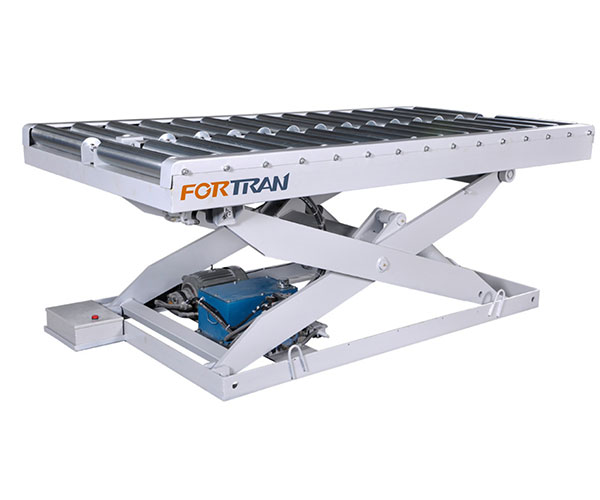
Table of Contents
- 1. What Is a Scissor Type Hydraulic Lifting Table Series?
- 2. How Does a Hydraulic Scissor Lift Table Work?
- 3. Key Features of Scissor Type Hydraulic Lifting Tables
- 4. Advantages of Using Hydraulic Scissor Lift Tables
- 5. Industrial Applications and Use Cases
- 6. Types of Scissor Type Hydraulic Lifting Tables
- 7. How to Choose the Right Hydraulic Lifting Table
- 8. Safety Considerations and Best Practices
- 9. Maintenance Tips for Long-Term Performance
- 10. Why Choose Professional Hydraulic Lifting Solutions from FORTRAN?
- Frequently Asked Questions
1. What Is a Scissor Type Hydraulic Lifting Table Series?
A Scissor Type Hydraulic Lifting Table Series is a mechanical lifting platform designed to raise or lower heavy loads using a hydraulic system and a scissor-shaped support structure. The scissor mechanism expands and contracts, allowing the platform to move vertically while maintaining stability.
These lifting tables are commonly used in manufacturing, logistics, packaging lines, and warehouses to position materials at ergonomic working heights. By eliminating manual lifting and reducing physical strain on workers, scissor lift tables significantly improve workplace safety and efficiency.
Many advanced lifting tables, such as those developed by FORTRAN, are designed for heavy-duty industrial environments and offer precise control, durable construction, and customizable configurations.
2. How Does a Hydraulic Scissor Lift Table Work?
The lifting process relies on a combination of mechanical and hydraulic components working together to raise and lower the platform.
Main Working Components
- Hydraulic cylinder
- Scissor legs structure
- Platform table
- Hydraulic pump system
- Control system
- Base frame
When the hydraulic pump sends pressurized fluid into the hydraulic cylinder, the cylinder pushes the scissor arms outward. As the scissor arms extend, the platform rises vertically. When pressure is released, the platform lowers smoothly under controlled conditions.
| Component | Function |
|---|---|
| Hydraulic Pump | Generates pressure to drive the lifting system |
| Hydraulic Cylinder | Transforms hydraulic pressure into lifting motion |
| Scissor Mechanism | Provides stable vertical movement |
| Control Panel | Allows operators to control lifting and lowering |
| Safety Valve | Prevents overload and sudden drops |
3. Key Features of Scissor Type Hydraulic Lifting Tables
Modern lifting tables are engineered to deliver reliability, precision, and safety. High-quality equipment from manufacturers like FORTRAN incorporates advanced design features that make them suitable for demanding industrial environments.
Common Features
- Heavy-duty steel platform construction
- High load capacity
- Smooth hydraulic lifting mechanism
- Stable scissor support structure
- Overload protection systems
- Emergency stop functionality
- Customizable platform sizes
- Low maintenance design
These features make the equipment suitable for various industries where precision lifting and material positioning are essential.
4. Advantages of Using Hydraulic Scissor Lift Tables
Businesses increasingly adopt hydraulic lifting solutions because they provide a wide range of operational benefits.
Major Advantages
- Improved worker safety by eliminating manual heavy lifting
- Higher operational efficiency in material handling processes
- Reduced workplace injuries
- Better ergonomics for assembly and packaging lines
- Precise positioning of heavy loads
- Space-efficient design
By integrating a scissor lift table into a production workflow, businesses can significantly increase productivity while maintaining a safer work environment.
5. Industrial Applications and Use Cases
The Scissor Type Hydraulic Lifting Table Series is widely used across multiple industries due to its versatility and durability.
Common Applications
- Warehouse loading and unloading
- Automotive manufacturing assembly lines
- Packaging and logistics systems
- Pallet handling operations
- Production line material positioning
- Machine feeding systems
- Maintenance and repair operations
| Industry | Typical Use |
|---|---|
| Manufacturing | Component positioning during assembly |
| Logistics | Pallet loading and unloading |
| Automotive | Vehicle component lifting |
| Warehousing | Material handling and storage operations |
| Packaging | Adjustable working heights for packing lines |
6. Types of Scissor Type Hydraulic Lifting Tables
Different applications require different lifting table configurations. Manufacturers typically provide several types to suit specific operational needs.
Common Types
- Single scissor lifting table
- Double scissor lifting table
- Mobile hydraulic lift table
- Heavy duty lifting table
- Low profile lift table
- Custom industrial lift platform
Each type varies in lifting height, load capacity, and mobility features.
7. How to Choose the Right Hydraulic Lifting Table
Selecting the right lifting table depends on several key factors related to operational requirements.
Important Selection Criteria
- Maximum load capacity
- Required lifting height
- Platform size
- Operating environment
- Mobility requirements
- Power source
- Safety features
| Selection Factor | Why It Matters |
|---|---|
| Load Capacity | Ensures safe handling of heavy materials |
| Lifting Height | Determines the working range |
| Platform Size | Matches the size of handled materials |
| Work Environment | Indoor or outdoor usage considerations |
| Control System | Improves operational efficiency |
8. Safety Considerations and Best Practices
Safety is a crucial aspect when operating lifting equipment. Proper usage procedures reduce the risk of accidents and equipment damage.
Safety Best Practices
- Never exceed the rated load capacity
- Ensure stable placement before operation
- Perform regular inspections
- Use emergency stop functions when necessary
- Train operators properly
- Keep the lifting area clear of obstacles
Professional manufacturers such as FORTRAN design lifting equipment with built-in safety systems including overload protection, emergency stop buttons, and hydraulic safety valves.
9. Maintenance Tips for Long-Term Performance
Routine maintenance is essential to ensure reliable operation and extend equipment lifespan.
Maintenance Checklist
- Inspect hydraulic oil levels regularly
- Check scissor arms for wear or damage
- Lubricate moving components
- Inspect hydraulic hoses for leaks
- Test safety valves periodically
- Keep the platform clean and debris free
Regular maintenance not only improves safety but also ensures consistent lifting performance.
10. Why Choose Professional Hydraulic Lifting Solutions from FORTRAN?
Choosing a reliable equipment manufacturer is just as important as selecting the right lifting table model. FORTRAN is known for producing high-quality industrial lifting solutions designed for durability, safety, and efficiency.
The company focuses on engineering precision, advanced hydraulic technology, and robust structural design to meet the demands of modern industrial applications.
Reasons Businesses Choose FORTRAN
- Reliable industrial engineering expertise
- High quality materials and components
- Customizable lifting solutions
- Advanced safety systems
- Strong global reputation in industrial equipment
Frequently Asked Questions
1. What is the typical load capacity of a scissor hydraulic lifting table?
Load capacities vary depending on the model, but most industrial lifting tables can handle loads ranging from 500 kg to over 5000 kg.
2. Are hydraulic scissor lift tables suitable for outdoor use?
Yes. Many models are designed with weather-resistant materials and protective coatings that allow safe operation in outdoor environments.
3. How high can a scissor lift table raise materials?
Standard lifting heights range from 800 mm to more than 3000 mm depending on the type of scissor mechanism used.
4. What industries benefit most from hydraulic lifting tables?
Manufacturing, logistics, warehousing, automotive production, packaging, and construction industries commonly use hydraulic lift tables.
5. How often should hydraulic lift tables be maintained?
Routine inspections should be performed monthly, while full maintenance checks are typically recommended every six months depending on usage conditions.
Conclusion
The Scissor Type Hydraulic Lifting Table Series plays a critical role in improving material handling efficiency across modern industrial environments. By providing safe, stable, and ergonomic lifting solutions, these systems help businesses streamline operations and reduce workplace risks.
With reliable engineering, durable construction, and customizable designs, lifting solutions from FORTRAN are trusted by companies worldwide. Whether used in manufacturing lines, logistics centers, or warehouses, these hydraulic lifting tables offer outstanding performance and long-term reliability.
If you are looking for professional industrial lifting equipment that improves efficiency, safety, and productivity, explore the full range of solutions available from FORTRAN and contact us today to learn how the right lifting table can transform your material handling operations.